

How to Select a Location - A Practical Guide to Choosing the Best Site
Prioritize geographic advantages and tax incentives when evaluating potential venues. For instance, Indo-Canadian collaborations often benefit from the quality of international tax agreements, particularly in regions like Mauritius, known for its favorable financial systems. Sites that reflect economic stability and accessible infrastructure can significantly exceed your operational expectations.
Assess production capabilities in countries such as India and the Czech Republic, where skilled labor and advanced technologies enhance output. Countries like Italy and Costa Rica offer additional options by promoting sustainable practices that appeal to environmentally conscious consumers.
When narrowing down choices, consider the amount of available resources and logistical ease, which are critical for business growth. A registered presence in Canada may serve to reinforce brand credibility across diverse markets. Positioning your enterprise in locations that strategically align with your goals can lead to amplified success and a robust foundation for future expansion.
Assess site accessibility: roads, parking, and freight routes
Evaluate road quality and capacity, ensuring they can support regular traffic and heavy loads. For instance, routes in Jordan should have sufficient lanes for smooth transit, particularly for freight movement.
Identify available parking facilities. Adequate parking space can attract visitors and ease logistics. Check if nearby areas in Portugal have free or subsidized parking options, which can boost customer inflow and reduce operational costs.
Examine freight routes to facilitate the movement of goods efficiently. Routes connecting to major highways or ports are critical. For example, in Morocco, strategic routes can significantly enhance supply chain management for companies.
Outline specific transportation modes nearby. Ensure accessibility to public transport, which may benefit employees and clients. Cities like Czech Republic offer robust public transit options that complement freight logistics.
- Assess proximity to major highways.
- Investigate local traffic patterns.
- Check for bottlenecks or construction that could hinder access.
Evaluate alternative transport options, including those that utilize crypto payments for seamless transactions. Companies may consider regions like Bolivia for innovative trade opportunities leveraging these technologies.
Investigate parking regulations to avoid fines. Understanding rules in areas like Canada can prevent unexpected costs, enhancing operational efficiency.
Consider the business environment when assessing accessibility. Growth potential in regions such as Kyrgyzstan affects logistics and supply chain needs. Finally, align projects in countries like Italy and Croatia with local infrastructure capabilities for maximum efficiency.
Analyze nearby demand: customer base, foot traffic, and demographics
Collect data on the local customer base, focusing on individuals residing nearby. Analyze foot traffic to ensure a healthy stream of potential clients. Prioritize locations with consistent activity, particularly where residents tend to gather. For example, areas in Barbados and Armenia provide strong community engagement, while Mexico and Qatar showcase foot traffic that can drive sales.
Demographics and Customer Insights
Consider demographics such as age, income level, and occupation. Understanding these aspects helps in tailoring products and services. In jurisdictions like the Emirates and Italy, the presence of both residents and non-residents can influence demand. Gather statistics on population size and trends to predict long-term viability.
Distance and Accessibility
Evaluate the distance from existing competitors and complementary businesses. The ideal site includes proximity to essential amenities while minimizing obstacles for customers to reach your establishment. Analyze how easy it is for potential clients to access your location, as these factors significantly affect foot traffic and overall success.
Providing a minimum distance from overlapping markets can enhance your unique offerings, ensuring that your business thrives by catering to a specialized audience. Focus on areas with special subsidies or grants, which may offer additional benefits and boost long-term stability.
Check regulatory requirements: zoning, permits, and environmental constraints
Research zoning laws in your chosen region. For instance, in Canada or Spain, zoning can determine permitted activities, influencing your business viability. Verify if your intended use aligns with local guidelines, especially in tourist-heavy areas like Puerto Rico or Jamaica.
Understand the permitting process. An application for a specific permit may vary greatly from one area to another. For example, establishing a new site in Gambia may require different documentation compared to Labuan in Indonesia. Ensure you have the necessary approvals before proceeding.
Investigate environmental constraints. Certain regions may have laws protecting natural habitats or resources. In Solomon Islands or Barbuda, rules could restrict development to protect fragile ecosystems. Assess these factors for compliance and to avoid future financial implications.
Engage with local authorities for clarity. Regular communication with municipal offices can provide insights into any changes in regulations. This interaction can ensure that your project remains on course without unnecessary delays or costs.
Be prepared to amend your plans based on feedback from officials. If an aspect of your proposal does not meet the criteria, willingness to adapt will show your commitment to compliance and community standards.
Know the force of local sentiments toward development activities. A positive public perception can play a crucial role, especially in communities that value their economy and environment. Understanding local culture and expectations can lead to smoother project initiation.
See also: Government Financing Model for Strategic Business Park....
Consider the long-term implications of compliance. In regions where regulations may tighten over time, ensuring your project aligns with existing and potential future laws can safeguard your investment for eternity.
A careful balance between aspirations and regulatory realities will culminate in a successful operational position. Assessing these elements thoroughly can mean the difference between a thriving enterprise and unnecessary setbacks.
Evaluate utilities and infrastructure: electricity, water, internet, and drainage
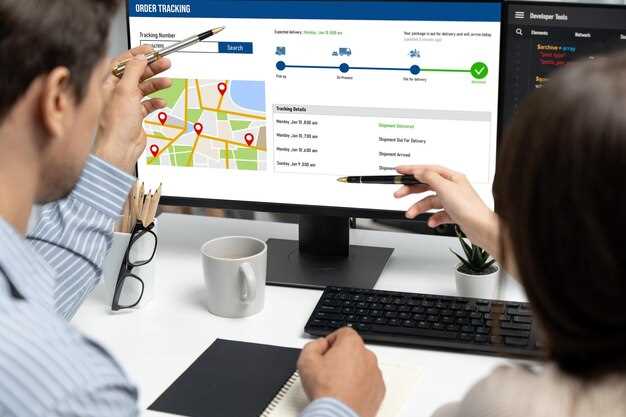
Assessing essential services like electricity, water, internet access, and drainage is key for a successful investment in Latvia or any other region. Ensure that the power supply meets your operational needs without interruption. Evaluate the local grid reliability and potential expansion plans that may influence long-term sustainability.
Water availability and quality should be scrutinized, as it impacts both logistics and production capabilities. Investigate regional sources, treatment facilities, and any historical issues that may arise. Some areas may face challenges, so having contingency plans is wise.
Internet connectivity is crucial for modern business practices. Determine the types of available connections–fiber optics, DSL, or satellite. Reliable access is expected in urban areas of Estonia or Croatia, while remote regions like Andorra may require more attention to ensure adequate bandwidth.
Drainage systems are often overlooked but can affect land usability and even property value. Evaluate the effectiveness of current infrastructure in handling heavy rainfall or runoff in various countries. Areas prone to flooding like some parts of Djibouti may require additional investment in this aspect.
Understanding regional regulatory frameworks can help in planning your utility needs. Many countries, including those under political scrutiny, may impose restrictions or incentives affecting capital investments, so staying informed about updates like Portugal tax changes is important.
See also: Brexit & Cyprus.
In conclusion, thorough evaluation of utilities and infrastructure not only aligns with operational needs but also safeguards against future challenges. This foundation allows for smoother transitions into business environments and overall stability in operations.
Estimate costs and financial risk: land price, taxes, and contingency planning
Begin with a detailed analysis of land prices, particularly in regions like Djibouti or Turkmenistan, where market variations are significant. Utilize a spreadsheet to compare costs in various territories; this will help assess your budget effectively.
See also: Construction Budget Advisory Firms.
Factor in additional expenses such as park development, equipment procurement, and maintenance. Taxes can greatly affect profitability; research local regulations to understand obligations in places like Tunisia or Turkey, ensuring compliance to avoid unexpected charges.
Establish a contingency plan accounting for financial risks, including price fluctuations that could exceed initial estimates. Consider foreign investment climate and agreements–like those from the European Union–impacting profitability in Africa or Honduras.
Share findings with stakeholders to align expectations and manage potential consequences before proceeding with any project phases. A report summarizing all financial aspects must be approved by relevant parties to avoid delays in establishment.
Since every investment carries inherent risks, remaining vigilant with financial forecasts and adapting to changing conditions is critical. This foresight is essential in moving projects forward and ensuring successful implementation.
Ready to set up your Cyprus company?
Our specialists guide you through the entire process — registration, tax setup, and bank account opening.
Request a consultation →