
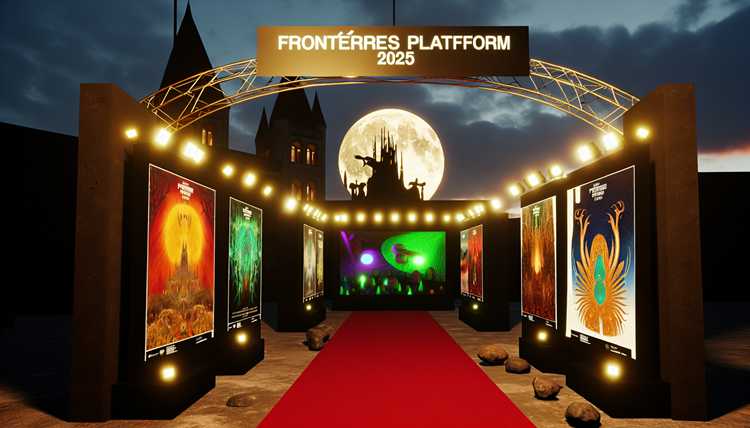
Cannes' Frontieres Platform Reveals 2025 Picks - From Epic Fantasy to Indigenous Folklore plus Drag Queen Horror — Exclusive
Plan your june screening spree now: meet the top picks across the Frontieres slate and map your festival days. The exclusive lineup blends epic fantasy, Indigenous folklore, and drag queen horror with a tight curatorial thread.
The slate spans three strands: epic fantasy, Indigenous folklore, and Drag Queen Horror. It comprises 12 titles, including 4 world premieres and 3 regional debuts, plus expert-led Q&As and a companion program with short-form pieces.
For evaluators and fans, plan around four standout features this june: two visually dense fantasies from first-time directors, a folklore-driven title with authentic community consults, and a playful yet bold drag queen horror entry. Reserve opening-night seats and a mid-festival Q&A block to meet creators and hear how they shaped the material.
Practical tips to build your schedule: check runtimes, with most features between 90 and 110 minutes, and pair them with concise shorts blocks under 40 minutes. Use the official Frontieres pages for day-by-day planning and mark your preferred time slots early to avoid clashes with panel discussions and thematic showcases.
Let the hype eave the noise as you focus on the craft, tone, and cultural context that each title brings to Cannes' Frontieres.
How the 2025 Frontieres lineup is organized: project types, selection criteria, and schedules
Submit by june 15 to maximize odds and secure a place in the first review batch. Prepare a concise dossier: a one-page synopsis, a director’s statement, select footage or a stills reel, and a brief production plan. Ensure the eave of the submission form is clear–fill every field accurately.
Frontieres 2025 groups projects into four tracks: Feature-length and Short Fiction, Documentary and Hybrid Nonfiction, Animation and Experimental Work, and Interactive/VR plus Indigenous-led Projects. Each track defines preferred formats and lengths, yet all look for a strong concept, solid development materials, and a credible team behind the effort.
Selection criteria center on artistic clarity, narrative momentum, feasibility of production and post, professional readiness of the team, a realistic budget and schedule, and intent to reach audiences beyond the core festival circuit. We also ensure regional representation and inclusive voices within each track, with targeted attention to projects from underrepresented regions.
Schedules run in defined stages: submissions open june 1 and close june 30; pre-screening occurs in july; a jury rounds in late july to august; shortlisted projects appear in late august; final selections are announced in early september. Teams selected for the next phase receive coordination prompts for travel, visas, and on-site activation during the Cannes Frontieres days.
| Track | Typical length/format | Key criteria | Submission window |
|---|---|---|---|
| Feature-length and Short Fiction | Feature 60–120 min; Shorts 5–20 min | Artistic vision, narrative clarity, team track record, production plan | June 1–June 30 |
| Documentary and Hybrid Nonfiction | 60–110 min typical; hybrids welcome | Factual integrity, access, archival use, pacing | June 1–June 30 |
| Animation and Experimental | Shorts to features, 5–70 min | Distinct voice, technical feasibility, cross-media potential | June 1–June 25 |
| Interactive/VR and Indigenous-led Projects | Interactive sessions, AR/VR 8–40 min | Interactivity quality, cultural consultation, representation | June 1–June 25 |
Epic fantasy in 2025: key titles, creators, and development pathways
Invest in three cross-media epic fantasies with a shared development window, tight milestone gating, and a plan to release across platforms by late june; secure showrunners and cultural consultants from the outset, and align design pipelines under the eave of the main stage to keep the schedule tight.
Key titles to watch in 2025
The Crown of Emberfall – Creator: Anouk LeBlanc (writer) and Mateo Li (showrunner). Production partners: Crescent Moon and Indigo Pictures. Format: eight to ten episodes per season; multi-season roadmap with a mid-season pivot for a spinoff graphic novel and a companion game. Filming spans Iceland and Scotland, prioritizing practical effects and location work to preserve scale. A strong festival strategy targets Cannes, with a staged international release and a streaming partner window in early autumn.
Aetherbound Ascendancy – Creator: Li Wei; Showrunner: Sora Tan. Production: Northwind Studios. Format: 10-episode first season; dual-release plan with a streaming debut and a limited theatrical run for select episodes. Visual language blends practical airship builds with CGI for sky sequences; the score anchors world-building. Development milestones include a prose prequel and a graphic novella by june to support merchandising and fan engagement.
Tales of the North Star – Creator: Maya Two Rivers (cultural consultant) and Arvid Kincaid. Production: Tidepool Films (France-Canada co-pro). Format: 6–8 episodes; draws directly from Indigenous folklore with advisory councils ensuring respectful adaptation. The plan includes a companion field guide and a children’s edition; shoots emphasize protected landscapes and seasonal scheduling. Target: festival premiere and a streaming exclusive with a durable, multi-market release.
Development pathways for epic fantasy
Establish a three-track pipeline: core series, ancillary media, and game tie-ins; pre-create the world bible and align core myths to support consistent lore across seasons. Secure multi-territory funding and co-production deals to balance budgets, while embedding local writers rooms and cultural consultants from day one. Build a production blueprint that allocates two major shoots per year in Europe and North America, with clear milestones for script, concept proof, and pilot readiness.
Assign dedicated development teams to each title: a design lead, a cultural liaison, a scripting lead, and a VFX producer; run a 4–6 week world-building sprint before the writers’ room opens, with the bible published by month three. Implement phased release plans that couple a flagship season with a sequenced set of spin-offs and graphic novels to sustain audience interest across platforms.
Indigenous folklore initiatives: communities, representation checks, and rights considerations
Recommendation: Establish a community-led FPIC protocol and a local Indigenous council to approve folklore use before festival partnerships. Create formal agreements with clear IP terms, benefit-sharing, and co-authorship rights. The council meets quarterly; decisions are recorded in a community ledger. By june, finalize baseline licenses and a roster of stewards responsible for monitoring. Meetings take place under the eave of the community hall, signaling shelter and shared guardianship.
Community-led consent and IP governance
Implement a 3-step FPIC process: initial dialogue, impact assessment, and written consent. Use community registries to document authorship and provenance of stories, songs, and designs. License terms include non-exclusivity for communal use, project-specific permissions, and time-bound renewals with revocation rights if terms are violated. Ensure communities own or control primary cultural assets, with governance by a community board. Provide training for festival staff on respectful representation and on avoiding misappropriation. Require that any adaptation of folklore be reviewed by elders before release and that sacred materials are not used for commercial purposes without explicit consent.
Measurement, transparency, and ongoing rights checks
Set practical metrics: number of FPIC rounds completed, licenses issued, and youth participation in storytelling or production; allocate a clear share of festival budgets to community-led projects; track licensing disputes with a 60-day resolution target. Publish annual rights reports in simple formats and offer translations in local languages. Schedule mid-year check-ins to review agreements, budgets, and impact, with feedback channels open at community meetings. Maintain a public-facing dashboard managed by the council and ensure routine updates are provided to community stakeholders.
Drag Queen Horror: stylistic approach, audience targeting, plus distribution plans
See also: Open date, location, plus scope of the City of Dreams....
See also: A Positive Start.
Recommendation: Start with a drag-forward, performative horror aesthetic anchored in a distinctive look and voice; cast 3–4 leading drag performers who anchor the film’s identity; develop a thorough look book and mood reels by june to align with festival timelines, and lock a production rhythm that yields a cut within 12 months.
Stylistic approach
Visual language centers on a club-by-night atmosphere, saturated color, and choreographed stage moments that repurpose drag performance as horror narrative. Prioritize practical effects for gore cues and creature work, keeping CGI lean to preserve tactile texture. Lighting emphasizes eave-level fixtures and architectural silhouettes, pairing neon accents with controlled flicker to heighten tension without obscuring performance detail. Camera work alternates between intimate close-ups during lip-sync sequences and wide, steady casts during group numbers, crafting rhythm that mirrors the performers’ stage presence. Wardrobe design treats costumes as narrative engines–transformations, modular pieces, and corsetry that morph into props for scares. Makeup functions as character shifts, revealing evolving loyalties as the story unfolds, while sound design locks in a bass-forward score that syncs with movement and beat drops.
To sustain momentum, plan a on-set rehearsal schedule that captures three distinct performance moods–glam, horror iconography, and folklore-inspired ritual–so the editor can weave them into a cohesive arc. Maintain a practical-effects toolkit on-set for quick, repeatable scares, and document each drag performer’s gesture vocabulary to preserve authenticity across edits and marketing materials.
Audience targeting and distribution plans
Target audiences include LGBTQ+ cinema fans, drag communities, and horror enthusiasts aged 21–44. Use a two-track release strategy: festival circuit exposure to build prestige and fan engagement, followed by a controlled, platform-led rollout. Leverage Pride events and queer nightlife venues for test screenings to calibrate tone and pacing before general release. Marketing should foreground the performers and their fan communities through short-form clips, behind-the-scenes content, and curated drag showcases in partner venues. Plan a June push around Pride-related events and mainstream horror calendars to maximize seasonal visibility.
Distribution plan centers on a Cannes 2025 world premiere, with international rights sold to a major streaming platform for a primary window. Follow with a late 2025 limited theatrical rollout in top markets to capitalize on festival buzz, then a broad VOD release in early 2026. Coordinate with the rights holder for a synchronized marketing push that includes exclusive clips, a making-of featurette, and cross-promotions with LGBTQ+ networks. Prepare a companion shorts package featuring performance-focused micro-episodes to extend audience engagement during the gap between festival premiere and streaming availability.
MEET EAVE in June: registration steps, agenda highlights, plus networking opportunities
See also: Cyprus Minds Platform Official Launch.
Register today to secure your spot at MEET EAVE in June. Create your profile on the event portal, select your pass, and confirm details to unlock the full agenda and matchmaking features. If you register late, you still gain access to core talks and the networking platform, but badge pickup near the eave entrance will require on-site verification.
- Go to the official event page and sign up with your work email or preferred contact.
- Select a pass: Standard, Pro, or Student; include organization details for invoicing and badge printing.
- Enter attendee data: full name, job title, company, accessibility needs, and dietary notes.
- Pay and receive a confirmation email with a downloadable badge and a link to the agenda tool.
- Open the agenda tool, bookmark sessions you want to attend, and sync them to your calendar.
Tip: you can adjust your session list until the june window closes.
Agenda highlights
- Opening keynote: The art of building stories for cross-genre cinema and streaming projects.
- Indigenous Folklore spotlight: Creators sharing how tradition informs contemporary formats.
- Co-production case studies: Financing paths, timelines, and regional considerations.
- Hands-on workshop: Crafting a concise pitch for short- and mid-length formats.
- Showcase sessions: Drag Queen Horror, genre blends, and creator-led discussions.
Networking opportunities
- Pre-event matchmaking: Build your profile with topics, regions, and collaboration goals to align with peers.
- 1:1 meetings: 15-minute blocks scheduled via the event app; bring project briefs and business cards.
- Group roundtables: Topic-based exchanges with peers from related sectors and markets.
- Evening mixers: Informal gatherings to meet potential partners; RSVP in the app ahead of time.
- Post-event follow-up: Export contacts and plan next steps with teams you met.
Ready to set up your Cyprus company?
Our specialists guide you through the entire process — registration, tax setup, and bank account opening.
Request a consultation →