
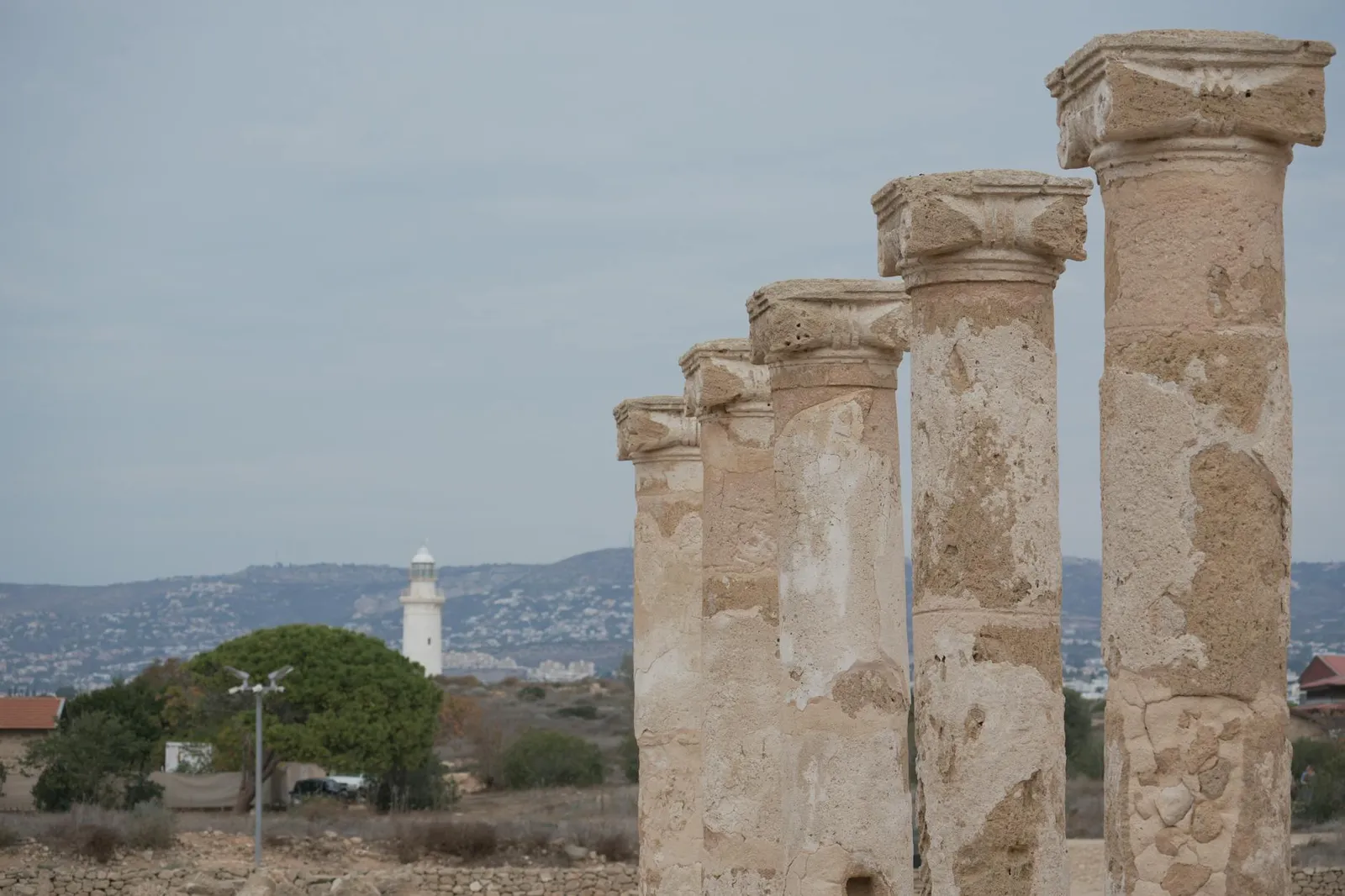
Discover Cyprus - A Guide to the Jewel of the Mediterranean
Cyprus, the third largest island in the Mediterranean, boasts a rich tapestry of history and culture that has captivated travelers for centuries. Known for its stunning coastline and warm climate, the island remains a favored destination for those seeking both relaxation and adventure. The interconnector of various cultures and civilizations, Cyprus has managed to preserve its unique identity while also adapting to modern demands. From the capital city of Nicosia to the tranquil coastline, there is much to explore and appreciate.
See also: Discover Nevis.
This island is not just a holiday paradise; it serves as a significant crossroads between Europe, Asia, and Africa. Its demographic diversity reflects centuries of trade, conquest, and collaboration, with influences from Anatolia, Greece, and beyond. The legislative framework has evolved to accommodate the interests of its varied populations, with discussions and talks continuing to shape its future. The recent history of Cyprus includes events like the annexation and the subsequent division of the island, yet the shared aspiration for peace resonates among its people.
Visitors will find that the property market is vibrant, offering a range of options for those looking to invest or settle. The development of infrastructure, including water and energy projects, is enhancing the island's appeal. Notable efforts, like the Pedieos river revitalization and the establishment of a crude oil refinery, demonstrate the island’s commitment to economic progress while preserving its natural beauty. Meanwhile, the local arts community thrives, with publishers like Ashgate showcasing the rich stories of Cyprus, ensuring its cultural heritage remains alive.
As you navigate the maps of this jewel, engaging with the guardian of its history – the ancient ruins, bustling markets, and serene mosques – you will discover the essence of Cyprus. Whether it’s enjoying the melodic singing of traditional Cypriot music or diving into the rich historical narratives, Cyprus invites you to immerse yourself in its enchanting ambiance, making it a truly remarkable destination for every traveler.
Exploring the Rich History of Cyprus
See also: Discover Hungary.
See also: Discover the Isle of Man.
Cyprus stands as a remarkable testament to centuries of human existence, where archaeology reveals layers of civilization that have shaped the island's rich tapestry. The extensive findings in regions like Paphos and Nicosia are critical for historians. Archaeological sites have unearthed artifacts from various periods, showcasing the island's connections with ancient leaders and cultures, including Greek, Roman, and Byzantine influences. This historical complexity lays the foundation for understanding Cyprus’s current demographic landscape.
The island's history has been characterized by a series of significant events that transformed its social structure. In the 20th century, Cyprus experienced division, stemming from political strife and colonial governance. The decision-making processes of past governments regarding independence and subsequent events have left an indelible mark on the Cypriot mindset. The ongoing discussions about reunification remain a focal point, reflecting on the need for a sustainable future.
The archaeology of Cyprus is not limited to its ruins but extends to its vibrant folk culture, which includes traditional dances and music. The preservation of these cultural elements is credited to local communities, which actively engage in maintaining their heritage. These activities are more than just nostalgic remembrances; they rally the populace around a united identity, promoting an understanding of their shared past.
Cyprus's geographical position has made it a crossroads for different civilizations, resulting in an amalgamated culture. Coastal waters and fertile lands contributed to its reputation as a hub for trade, leading to its strategic importance throughout history. Particularly during June of various years, the island would witness significant gatherings, showcasing the intermingling of diverse cultural influences from the mainland and beyond.
The modern challenges faced by Cyprus often reflect echoes from its history. The Turkish invasion in the 1970s still resonates today, as the island remains divided, and ongoing dialogues about reparations compound the intricacies of national identity. The involvement of leaders such as Kofi Annan in seeking resolutions highlights the international interest in the island's future, reminding Cypriots of the necessity for unity.
In contemporary times, there is a growing focus on preserving Cyprus’s archaeological sites as they represent a critical link to the past. Various organizations are engaged in the documentation and promotion of these sites, ensuring they receive the attention they deserve. Credit goes to those who advocate for sustainable development, allowing for both tourism and conservation to flourish side by side.
As the island looks towards the future, it finds itself at a pivotal crossroads. The integration into larger systems like the European Union has presented both opportunities and challenges, especially as Cyprus strives to maintain its distinct cultural identity within a broader narrative. The engagement in these discussions reflects a collective desire to shape policy that considers both history and contemporary realities.
In summary, Cyprus encapsulates a rich historical narrative that is continuously evolving. Its ability to defend and promote its cultural heritage amidst divisions is commendable, and as locals tap into their past, they build a resilient identity capable of navigating the complexities of modern governance. The interplay between history, culture, and politics remains a crucial element of Cyprus's journey, suggesting that the island's story is far from complete.
The Ancient Ruins of Kourion
The ancient city of Kourion, located on the southern coast of Cyprus, is a treasure trove of history and cultural significance. From the moment you step into the site, you are greeted by the remnants of a civilization that thrived over two millennia ago. The site includes impressive structures that have survived the test of time, capturing the essence of daily life, religious practices, and entertainment from ancient periods.
One of the most notable features of Kourion is the theater, which was built in the 2nd century AD. This legendary structure has been preserved remarkably well and could seat approximately 3,500 spectators. It hosted various performances, including folk dances and theatrical plays, resonating with the cultural richness of its time. The acoustics of the theater are exceptional, truly making it a hub of entertainment in its day.
The ruins also include beautiful mosaics that depict scenes from mythology and daily life. These intricate artworks provide a glimpse into the artistic achievements and the everyday activities of the residents. It is said that such vibrant artistry took great skill and effort, reflecting the demographics and cultural influences of the period. Various international influences can be traced in these designs, showcasing how Kourion was a melting pot of companies and cultures.
As you wander further, you will eventually come across the remains of the House of Eustolios, famed for its stunning mosaics and baths. The site was organized in a way that separated residential areas from public spaces, reflecting the thoughtful planning of ancient urban life. Scholars like Thomas Mirbagheri have studied these structures to draw resolutions regarding their functionality and social significance.
However, Kourion's resilience was tested through various attacks over the years, including natural disasters and invasions. These events unilaterally shaped the history of the city, leading to periods of decline and resurgence. Despite these adversities, the site remains a testament to the enduring spirit of its early inhabitants, who consistently sought to thrive amidst challenges.
In modern times, Kourion has become a focal point for educational activities, attracting high-school students and tourists alike. The site has been involved in efforts to promote appreciation for Cyprus's rich history and preserve ancient artifacts for future generations. An ambitious plan was announced to develop the surrounding area into a more accessible cultural hub, aiming to join the efforts of various historic sites on the island.
Visiting Kourion is not just about witnessing ancient ruins; it is about indulging in the stories of the past that continue to resonate today. Whether you are a history enthusiast or someone seeking leisure, this site offers a unique perspective on the evolution of civilization. As you immerse yourself in the rich tapestry of Kourion, you will find that every corner has a tale to tell–a place where the ancient world meets the present, ensuring its legacy will remain for years to come.
The Historical Significance of the Tombs of the Kings
Located on the Mediterranean island of Cyprus, the Tombs of the Kings is a monumental necropolis that holds great historical significance. This archaeological site, situated just a few kilometres from the modern city of Paphos, contains impressive burial chambers carved from solid rock. It is believed that these tombs date back to the Hellenistic period, around the 4th century BC, and serve as a testament to the island's rich cultural heritage and its connections to ancient civilizations.
The site, regarded as a UNESCO World Heritage site, typically consists of elaborate subterranean structures that reflect both Hellenistic and local architectural styles. The tombs are characterized by their impressive facades and ornamental columns, reminiscent of ancient Greek temples. However, they also display unique features that suggest a blend of cultural influences, including a touch of eastern Mediterranean traditions. This significant mix showcases Cyprus's role as a crossroads for various civilizations throughout history.
The Tombs of the Kings were not merely the resting places for the elite; they also served as a social and political statement. The opulence of the burial chambers indicates the high status of the individuals interred within, who are thought to be members of the Cypriot aristocracy. While the name “Tombs of the Kings” might suggest they were for royals, it is more accurate to consider them as belonging to a broader elite class, reflecting the intricate social hierarchy of ancient Cypriot society.
In the larger context of regional history, these tombs reveal much about the interactions between various cultures, including Greek, Roman, and later Ottoman influences. The diversity of artifacts found within the tombs, such as pottery and sculptures, contributes to our understanding of ancient trade routes and cultural exchanges. For instance, evidence of trade with distant regions, including the production of vegetable and animal products, indicates that Cyprus was an important economic hub in the Mediterranean.
| Significant Features | Description |
|---|---|
| Architecture | Carved rock tombs with Hellenistic design |
| Cultural Influences | Blend of Greek, Roman, and Ottoman styles |
| Artifacts | Pottery, sculptures, and funerary gifts |
| Historical Period | 4th century BC onwards |
| Status | Resting place of the Cypriot aristocracy |
Medieval Fortresses: A Look at Kyrenia Castle
Kyrenia Castle, located on the picturesque northern coast of Cyprus, is a prominent example of medieval architecture that has withstood the trials of time. Originally constructed by the Byzantines in the 7th century, it was later occupied by various rulers, including the Venetians and the Ottomans. The castle served as a vital defensive fortress against pirate raids and foreign invasions, demonstrating the island's strategic importance in the Mediterranean region. Within its walls, artifacts such as ancient jars and traditional weapons are on display, reflecting the lifestyle of the Cypriots of that era.
As you explore the castle, you'll encounter not only its historical significance but also breathtaking views of the surrounding area, including the mountains of Olympus in the background. The fortification is largely intact, showcasing four distinct towers and a deep moat that once served as a buffer against attackers. Today, Kyrenia Castle stands as a testament to the rich history of Cyprus, engaging visitors with its tales of battles, governance, and cultural development. For those who are abroad or separated from their homeland, the castle embodies the spirit and tradition of Cypriots, inviting them to study and reflect on their heritage.
Ready to set up your Cyprus company?
Our specialists guide you through the entire process — registration, tax setup, and bank account opening.
Request a consultation →