
Explore Belgium - A Comprehensive Guide to Its Culture, History, and Must-See Attractions
Belgium, a country that consists of diverse cultures and rich history, serves as a captivating destination for travelers. With its unique blend of French, Dutch, and Germanic influences, Belgium offers a variety of experiences that are both temporary and enduring in their significance. As you explore its cities, from the bustling streets of Antwerpen to the picturesque corners of Brussels, you will discover that this country is not merely a dot on the map but a profound narrative shaped by centuries of evolution.
See also: Explore Singapore.
See also: Discover Hungary.
One cannot talk about Belgium without mentioning its renowned culinary scene. The country is famous for its highly sought-after chocolates, delectable waffles, and, of course, its world-class beers. These culinary giants are complemented by local delicacies, where sauces and preparations reveal the rich mix of flavors shared across various regions. Outdoor enthusiasts and cyclists alike will find joy in the scenic routes winding along the numerous rivers and forests, making it a paradise for those seeking both history and nature.
Belgium's historical significance is evident in its architecture and monuments, where one can trace the influence of different eras. Sites like the Grand Place in Brussels or the medieval town of Bruges stand testament to the country's past. According to various records, these places have gradually reached a level of prestige that attracts millions of visitors each year. As you explore deeper into Belgium's cultural dialogue, you'll encounter the stories of iconic figures such as Edith and George, who played vital roles in shaping its identity.
In this comprehensive guide, we will take you through the highest points of interest in Belgium, ensuring that your journey provides a comprehensive understanding of the belgique experience. From the lively art scene in Ghent to the serenity of the Ardennes, you'll discover something that resonates with every traveler. Whether you're starting on a tour through history or simply savoring a moment in a quaint café, Belgium promises a journey that transcends the ordinary, making it a country worth exploring.
Cultural Insights
Belgium is often perceived as a melting pot of cultures, where Dutch-speaking Flanders, French-speaking Wallonia, and the German-speaking community coexist, each contributing to the nation's rich identity. Thus, understanding these linguistic and cultural divisions is essential for grasping the complexities of Belgian society. The so-called language border not only signifies territory but also influences political agencies and social interactions among inhabitants.
Significant to Belgium’s cultural landscape are its renowned institutions and organizations that preserve heritage. Organizations such as the Royal Museums of Fine Arts in Brussels highlight Belgium’s illustrious history in painting, showcasing masters like Hugo and Paul. The timeline of art in this region marks several movements, culminating in modern expressions, making visual arts a crucial part of the cultural education and training provided to new generations.
Beer holds an esteemed position in Belgian culture, with InBev leading the industry on a global scale. Belgian brews, steeped in tradition and craftsmanship, are a point of pride and thus, a significant part of the local lifestyle. Each regional brew reflects unique flavors, resulting from specific ingredients and brewing methods that have been perfected over centuries. October is the month of numerous beer festivals, linking tradition with modernity as locals and tourists gather to celebrate Belgium’s brewing heritage.
In addition to beer, the architecture in Belgium intricately reveals its past. The houses along the Meuse River, characterized by their unique styles, reflect influences from the Southern Netherlands and Burgundy. As one traverses through historical cities such as Ghent and Bruges, one can observe how housing styles have evolved, often becoming a focal point in discussions regarding environmental sustainability and urban planning.
- The cultural environment encompasses music, literature, and culinary arts.
- Flemish singer-songwriters and Walloon poets contribute to a lively artistic community.
- Festivals celebrating local cuisines have become popular, attracting thousands of attendees.
Belgium’s political landscape, characterized by its complex federal structure, reflects the country’s multicultural makeup. Various political endeavors often stem from a desire to amplify regional identities, resulting in separatist movements and debates within the parliamentary framework. Understanding these dynamics is vital for appreciating how cultural and national identities influence local governance and community decisions, which can often lead to tension between different groups.
Understanding Belgian Cuisine: Must-Try Dishes
Belgium's culinary identity is largely shaped by its rich history and diverse cultural influences. The country's cuisine has been molded by its geographical position, realities of trade, and even the nobility’s preferences. This is evident in the way dishes incorporate various foodstuffs, showcasing both regional specialties and international influences. One cannot truly understand Belgian cuisine without acknowledging its symbolic relationship with the land and the communities that inhabit it.
When one thinks of Belgian food, the first dish that comes to mind is undoubtedly moules-frites (mussels and fries). This classic dish highlights the country’s proximity to the North Sea and abundant river sources. Often served in a simple broth made with white wine, garlic, and herbs, moules-frites pairs beautifully with Belgian beer, showcasing a symbiotic relationship between the drink and the dish. Enjoying this meal is almost a rite of passage for anyone visiting the southern regions of Belgium.
Another must-try is the legendary waffles, often categorized into two types: Brussels and Liège. Brussels waffles are light and crispy, served with toppings such as whipped cream and fruits, while Liège waffles are denser, sweetened with pearl sugar that caramelizes on the outside. These delightful creations reflect Belgium's commitment to culinary excellence, which is acknowledged internationally, even featuring in numerous films showcasing the life-force of the country's culture.
Belgian chocolate is another invaluable treasure, revered worldwide. Chocolatiers, notably in Brussels, follow traditional methods that have been perfected through the ages. The country's chocolates are celebrated for their quality and unique flavor profiles. Visitors can indulge in a tasting tour, exploring various shops that highlight their craftsmanship and dedication to maintaining a high standard of quality in every piece of chocolate.
Beer also plays a significant role in Belgian culture, considered both a beverage and an art form. Many of the 1,500 beers produced in Belgium are regional, reflecting local ingredients and brewing practices. The Trappist beers, brewed by monks, hold particular respect and are often enjoyed during significant sporting events or celebrations. Understanding the diversity of these brews allows one to appreciate the depth of Belgium’s culinary landscape.
Finally, no exploration of Belgian cuisine would be complete without mentioning the rich tradition of stews, notably carbonnade flamande. This hearty beef stew is slow-cooked in beer and melded with caramelized onions, creating a depth of flavor that exemplifies the country's love for combining simple ingredients into complex, comforting dishes. This emphasis on community and shared meals illustrates Belgium’s respect for familial traditions, echoing throughout its history and demographics.
Festivals and Traditions: What to Experience Throughout the Year
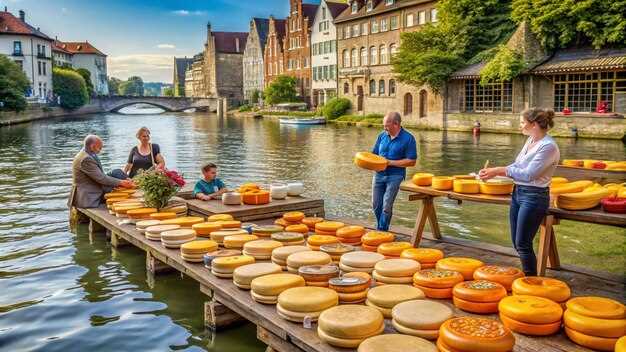
Belgium is a mix of rich traditions and lively festivals that illuminate its diverse culture. In Wallonia, the well-known Carnaval de Binche takes place every year in February, marking the transition into Lent. This UNESCO-recognized festival features extravagant costumes and processions that showcase the region's history and geography, allowing locals and visitors alike to come together in celebration.
As April approaches, the city of Mechelen hosts the annual Flower Parade, a delightful display that attracts thousands. Here, floats made from colorful flowers traverse the streets, offering a feast for the eyes. This event not only highlights the area’s agricultural enterprises but also promotes local economies by showcasing the talent of different counties within Belgium. It is an event where art meets nature, drawing participants from near and far.
In the summer, Fête de la Musique takes center stage across the nation. Celebrated in both Dutch and French-speaking areas, this tradition features musicians from different genres performing in public spaces, free of charge. This is a testament to the country's love for music and community engagement, allowing people from all walks of life to connect without barriers. It highlights Belgium's ability to unite various languages and cultural influences.
| Month | Festival | Location | Notable Features |
|---|---|---|---|
| February | Carnaval de Binche | Binche | Costume processions, UNESCO recognized |
| April | Flower Parade | Mechelen | Floats made from flowers, celebration of local agriculture |
| June | Fête de la Musique | Various locations | Free music performances, cultural unification |
Traditions also extend into the fall with festivities like the Saint Martin’s Day in November, where communities celebrate with lantern processions. Children often carry homemade lanterns through the streets, singing songs that have been passed down through generations. This festival connects the young with their heritage and embodies the essence of community spirit that characterizes Belgian traditions.
Finally, the Christmas markets held across the country are not to be missed. From Bruges to Brussels, these markets are temporary portals to a winter wonderland, offering local crafts, foods, and glühwein. The atmosphere is electrifying, with lights twinkling and festive music filling the air. Visitors can engage in various activities, including ice skating and tasting traditional dishes, further enriching their experience during the holiday season.
In conclusion, Belgium's festivals and traditions are a dynamic component of its cultural identity. Events like the Carnaval, Flower Parade, and Christmas markets showcase the country's unique ability to blend history, community, and celebration. Regardless of when you visit, there's always a celebration waiting to be discovered, offering an insight into a diverse and lively nation.
The Significance of Language: Dutch, French, and German Regions
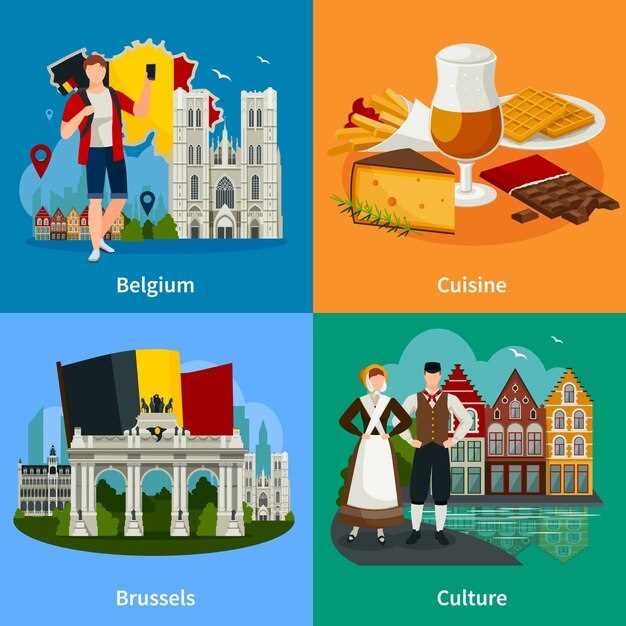
Belgium is a unique nation that consists of three distinct linguistic communities: the Dutch-speaking Flemish in the north, the French-speaking Walloons in the south, and a small German-speaking community in the east. This linguistic diversity is foundational to the country's identity and influences its politics, culture, and social interactions. The boundaries between these regions are not merely geographical; they reflect a rich mix of history and culture that has emerged over centuries.
See also: Discover the Isle of Man.
The historical significance of these language groups can be traced back to the Frankish Empire, which laid the groundwork for modern Belgium's linguistic landscape. The northern regions, largely populated by the Flemish, have been influenced by Dutch culture and language, forming the core of Belgium's economic and political strength. For example, cities like Antwerp and Ghent are lively centers of trade and arts, with their historic theaters and processions showcasing Flemish heritage.
In contrast, the Walloon region is known for its deep-rooted ties to France, and its cultural outputs often reflect a Franco-Flemish heritage. This region is home to significant artistic contributions, particularly in the areas of literature and theatre, where numerous influential works have been crafted. The Walloon community's emphasis on community and family values is exemplified in their traditional festivals and celebrations, which are keenly celebrated even today.
The linguistic divisions also pose unique challenges for national governance. Each language group has distinct interests and priorities, making political dialogue complex. Language laws and restrictions can sometimes lead to tensions, particularly when addressing issues like resource allocation or educational policies. However, there is also a positive side to this complexity; it has fostered a bilingual (and sometimes trilingual) population that is increasingly competitive in the global market.
Ultimately, understanding Belgium's linguistic significance requires recognizing its role as a unifying factor that shapes daily life. From the sweet indulgence of Belgian chocolate to the diverse experiences offered across regions, language serves as both a boundary and a bridge. Belgian culture, forged in the crucible of its three languages, continues to evolve, offering a rich experience for locals and tourists alike. As the country progresses, it remains a testament to the resilience and adaptability of its people, who come together to navigate the intricate landscape of their shared home.
Ready to set up your Cyprus company?
Our specialists guide you through the entire process — registration, tax setup, and bank account opening.
Request a consultation →