
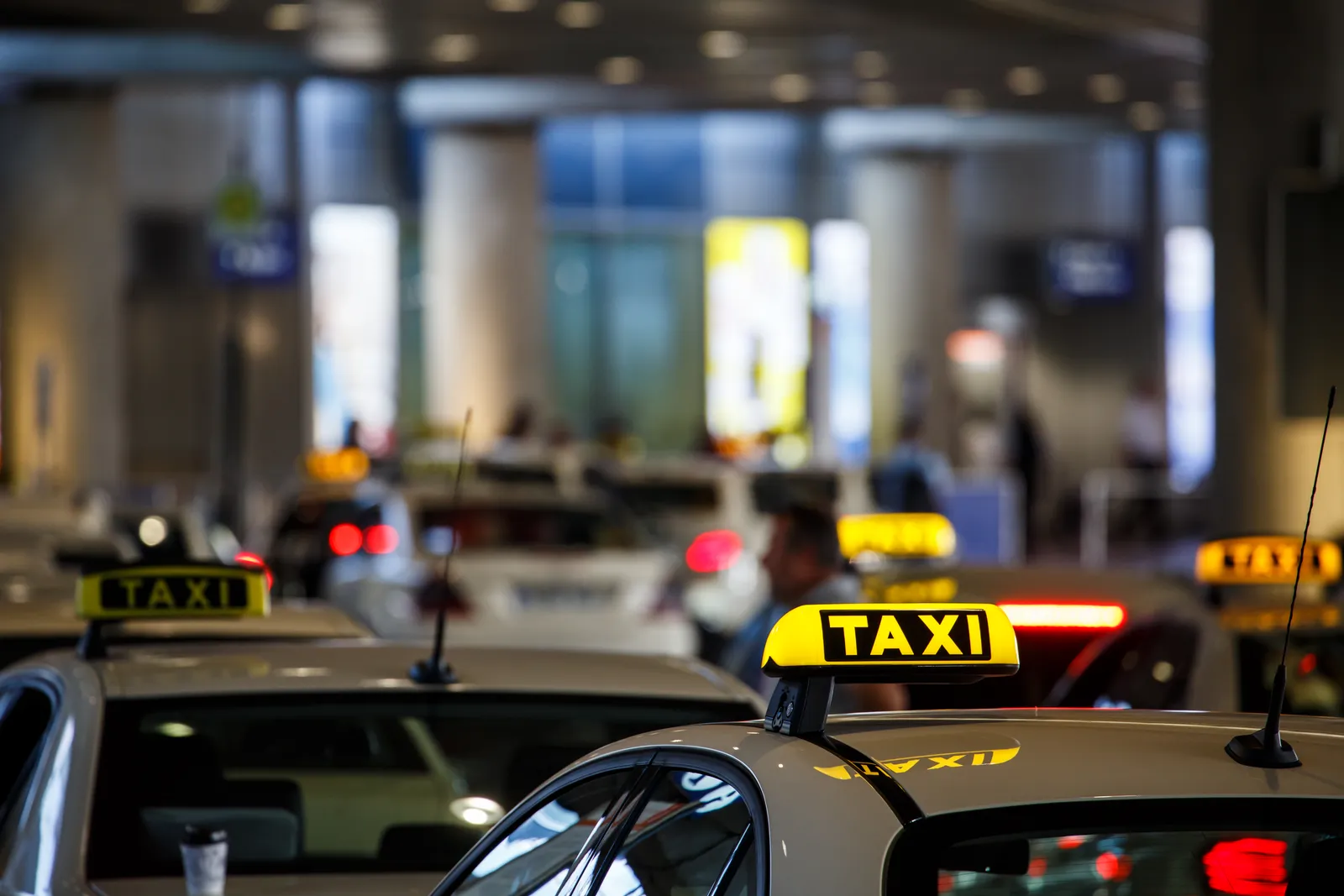
52 Cyprus Taxi Drivers Permanently Banned from Larnaca and Paphos Airports
The Ministry of Transport has imposed lifetime bans on 52 taxi drivers from accessing Larnaca and Paphos airports after repeated violations of passenger pickup and drop-off regulations.
The decision follows multiple breaches of airport operating rules, despite a structured penalty system introduced in July 2024. Under this framework, drivers face a seven-day suspension for a first offense, up to thirty days for a second offense, and a permanent ban for a third confirmed violation.
Several of the banned drivers, already prohibited from operating at the airports for the entire year of 2025, reportedly continued to enter airport zones illegally. Some allegedly tailgated authorised taxis through entry gates to bypass security checks.
The Ministry has warned that any individuals assisting banned drivers — including fellow taxi operators or airport staff — risk losing their own airport access rights. Enforcement will be strengthened through expanded use of digital tracking systems and CCTV monitoring.
Officials stress that the move aims to protect fair competition among licensed taxi operators, improve safety at airport facilities, and ensure a reliable experience for travellers.
Persistent Challenge: Illegal Taxi Operations from the Occupied Areas
According to Grigoris Aivazidis, Lawyer at AVZ Law Office, a more complex and persistent problem continues to undermine these enforcement efforts. Taxis and minibuses with licence plates issued in the Turkish-occupied areas are reportedly operating freely within the Republic, transporting tourists — particularly from Larnaca Airport — to hotels in the occupied north.
See also: Best Cities in Cyprus for Entrepreneurs and Remote Workers.
See also: Cyprus Property Market 2025: Trends, Prices, and Investment....
Some operators conceal the first letter “T” on their plates, hiding the fact that the vehicle is a taxi and avoiding detection. Others use evasive tactics, such as parking at roundabouts or in departure-level car parks, where accomplices collect arriving passengers and guide them to waiting vehicles.
Aivazidis suggests that meaningful progress could come from stricter checks at border crossings. The Cyprus Border Police and Customs have both the authority and tools to inspect vehicles entering from the north, identify those carrying tourists for commercial purposes, and issue immediate penalties or notify airport authorities of suspicious plates.
Coordinated action between agencies could help dismantle this shadow transport network, protect lawful taxi operators, and restore fairness to the market. Addressing the issue at the border, Aivazidis argues, would significantly bolster broader efforts to uphold the law and safeguard Cyprus’s transport sector.
Ready to set up your Cyprus company?
Our specialists guide you through the entire process — registration, tax setup, and bank account opening.
Request a consultation →