

Game On - The Ultimate Guide to Mastering Modern Gaming, Tips, plus Gear
Configure your display to 120 Hz and lock your frame rate to your monitor’s refresh; use a wired Ethernet connection and a 800–1200 DPI mouse for tight, predictable input. This setup provides a solid base for quick reactions and precise tracking across genres.
Gear additions include a monitor with low input lag, a responsive mechanical keyboard, a precise mouse, a headset with a clear microphone, and a high-quality USB DAC for clean audio. Also include a good chair and proper desk height to sustain comfort during long sessions.
In shooters, calibrate sensitivity so a 180-degree turn spans about 15–20 cm on your mouse pad, then lock in a 0.25–0.40 in-game sense; disable mouse acceleration and enable raw input. For consoles, enable aim assist where available and adjust dead zones to under 0.25.
Practice plan: dedicate 15–30 minutes daily to targeted drills, and schedule 2–3 aim-trainer sessions per week. Track progress with 10–15 clips weekly to review mistakes, and structure routines as warm-up (5 minutes), core drills (10 minutes), and cooldown review (5 minutes). This cadence yields measurable gains in 4–6 weeks.
See also: Channel 5's Love Rat and Stanford SP Upgrade.
Connectivity and environment matter: run latency tests to keep ping under 20–35 ms where possible, enable router QoS for gaming, and close nonessential apps during play. Keep peripherals clean, update drivers monthly, and test new firmware after major game patches to maintain stability.
How to Reduce Input Latency on PC with Console
Plug console directly into a low-latency monitor via HDMI, enable Game Mode, and lock the output to a fixed refresh (60 Hz or 120 Hz) that matches the monitor. Do not run extra video processing on the monitor that adds delay.
For setups where you route the signal through a PC (capture card or streaming), apply these steps to minimize added latency.
- Display path and signal: Connect console to monitor with a direct HDMI link when possible; enable 120 Hz if supported; use a cable rated for the right spec; reduce chain length.
- GPU and driver settings: In NVIDIA Control Panel or AMD Radeon Software, enable Low Latency/Anti-Lag features; under graphics, set vertical sync to "Fast" or "off" as appropriate; enable G-Sync/FreeSync if your monitor supports it; ensure the output resolution and refresh rate match the monitor to avoid extra processing; update drivers to the latest version.
- Windows and system tweaks: Turn on Game Mode; turn off Full-screen Optimizations; set Power Plan to High Performance; disable USB Selective Suspend; close nonessential apps that draw CPU/GPU cycles; set the system to prioritize foreground application.
- Input devices and USB: Use wired mouse and keyboard with a 1000 Hz polling rate; disable mouse acceleration; plug into dedicated USB ports on the motherboard; avoid hubs; keep cable paths short to reduce jitter.
- Capture/Streaming path: In OBS or similar, choose a low-latency preset; use hardware encoding if available; disable display capture previews during capture; set source to "Game Capture"; ensure the capture device uses passthrough mode if offered by the card.
- Console-specific options: In the console's settings, lock the output to a stable refresh rate; turn off any frame interpolation or post-processing features; ensure the HDMI range is set to 'Full' only if needed; disable additional processing like auto brightness if present.
- Measurement and tuning: After changes, measure latency with a test tool or by comparing button press to action on screen; adjust settings until you reach a consistent low latency value; repeat after each major update (driver, game patch, or firmware).
planned,additions will update with new hardware paths and software features as they become available.
Choosing a Monitor: Refresh Rate, Response Time, alongside Sync
See also: Legal Tech Education Amid Change.
Choose a 1440p monitor at 165 Hz with native adaptive sync (G-Sync Compatible or FreeSync Premium Pro) and keep total input lag under 4 ms for smooth, responsive play. additions to your setup include color calibration options and HDR support if the panel provides it.
Refresh rate matters: higher rates deliver smoother motion when your frame rate tracks the display. 60 Hz suits casual gaming, but 120 Hz or higher makes fast aiming more comfortable; 144 Hz is a common balance, while 165–240 Hz panels target competitive play. Ensure your GPU can approach those frame counts in your preferred titles.
Response time and panel behavior: look for measured GTG times of 1–2 ms on fast TN and many modern IPS panels, with 2–4 ms on rapid VA panels. Real-world blur depends on overdrive and backlight scanning. Some displays advertise very low numbers via MPRT; that can reduce brightness and color clarity.
Sync technologies: Adaptive Sync reduces tearing by letting the panel vary refresh to the GPU's frame rate. Nvidia users benefit from G-Sync Compatible or official G-Sync modules; AMD users get FreeSync, with FreeSync Premium Pro supporting HDR. If you want broad compatibility, pick a monitor that lists VRR over both HDMI and DisplayPort and check the supported refresh range (for example 48–165 Hz). LFC (Low Framerate Compensation) keeps motion smooth when FPS dips below the minimum.
Panel choices and practical picks: for color work and a cinematic feel, IPS panels excel; for high contrast in dark scenes, VA panels shine; for the fastest response, modern TN panels can win at very high refresh. For HDR, look for around 400–600 nits brightness and a wide color gamut; true HDR requires stronger specs, but SDR remains solid. If space is limited, a 27-inch 1440p setup provides sharp images without crowding your desk.
Buying checklist: confirm resolution and refresh rate, note response time, verify VRR range and GPU compatibility, evaluate panel type and color accuracy, check brightness and HDR capability, review input options (DP 1.4 or HDMI 2.1) and ensure an ergonomic stand or desk-friendly footprint.
Tune GPU with CPU toward Higher FPS and Stability
Cap FPS to your monitor’s refresh rate (for a 144 Hz display, target 144 FPS) and enable Adaptive Sync. Set Windows to High performance, install the latest GPU driver, and run a 10-minute in-game test to establish baseline temperatures and frame times.
In the GPU control panel, start with these defaults: Max pre-rendered frames = 1 (set to 2 if you notice CPU-bound stutter); Power management mode = Prefer maximum performance; Vertical sync = Off; Enable G-Sync/FreeSync; If available, turn on Hardware-accelerated GPU scheduling.
CPU and GPU workload alignment
To reduce CPU-bound bottlenecks, adjust in-game options: lower shadows and draw distance, disable aggressive post-processing, and keep textures high. Expect a 5–15% improvement in CPU-heavy titles when moving from Very High to High shadows or mid draw distance. Prefer anti-aliasing methods that balance sharpness and GPU load.
Verification and stability checks
Track frame times with a monitoring tool and aim for stable averages. For a 60 Hz target, keep frame times near 16.7 ms; for 144 Hz, stay under 6.9 ms. If temperatures exceed 85°C on CPU or GPU, enhance cooling or adjust the fan curve. Document results and iterate: compare 1 versus 2 pre-rendered frames and observe the impact on frame time consistency.
These planned additions to this guide will add refined CPU affinity tweaks and driver-specific profile tweaks.
Configure Audio to Spatial Cues plus Immersion
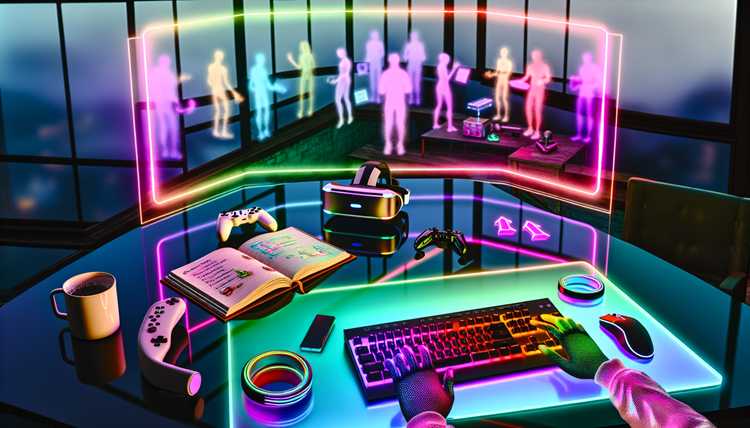
Plug in a high-quality wired or USB headset and turn on spatial audio in your system settings now. This delivers immediate directional cues that teammates and enemies emit, letting you locate sources without looking away from the screen.
Additions to the setup include choosing a platform (Dolby Atmos for Headphones, Windows Sonic, or DTS Headphone:X if available), calibrating device offsets, and creating per-game profiles to preserve scene accuracy. Make sure the sample rate matches game audio; 48 kHz is a common baseline, and 24-bit depth preserves nuance in quiet footsteps.
Next, refine your hardware alignment. Position your headset so the drivers point toward the ear canal, maintain equal headband pressure, and keep the microphone away from the ear cups to prevent boosted low-end from proximity effect. If you use head-tracking, enable it in the device software to keep cues stable during movement.
In-game and OS-level tweaks boost immersion. Use a dedicated spatial mix for speakers or headphones, turn off aggressive audio compression, and map footsteps, gunfire, and environment cues to precise channels. Test with a short scene that features left-right panning and overhead cues like helicopter rotors or air raids.
Testing approach and quick checks:
| Setting | How to Configure | Benefit |
|---|---|---|
| Spatial platform | In OS sound settings, choose Dolby Atmos for Headphones or Windows Sonic; apply to the game profile | More accurate directional cues |
| Headphone profile | Enable 48 kHz, 24-bit; disable aggressive game compression; use a 7.1 or stereo with virtualization | Cleaner separation of sources |
| Per-game EQ | Create a profile that slightly boosts mid-high range (2–6 kHz) for footsteps without squashing voices | Clear texture for cues |
| Head-tracking | Enable if supported; calibrate yaw/pitch offsets | Stable cues during motion |
| Test cues | Run a short scene with footsteps from left/right and a distant overhead sound | Verifies positional accuracy |
Profile Mice, Keyboards, with Controllers toward Precision
Start with a mouse offering adjustable DPI, a 1000 Hz polling rate, and a comfortable shape; configure 3-5 profiles to cover aiming, sprinting, and normal play for precise control across genres.
Mice Profiles for Precision
Sensor choice matters: opt for optical sensors with a CPI range of 400–16000 and a lift-off distance of 1–2 mm to keep cursor motion predictable on cloth or hard mats.
Set DPI steps to 400, 800, 1600, and 3200; map these to in-game scenarios so rapid transitions do not disrupt accuracy.
Weight and grip: use 0–20 g weights in 2 g increments and select a frame that matches your palm, claw, or fingertip style to maintain stability during bursts.
Profile storage and toggling: store 4–6 profiles in the mouse firmware and switch with a side button or a keyboard shortcut; The software can include 5 profile slots for quick switches.
Keyboard Profiles and Controller Integration
Keyboard choices should favor low-latency switches, NKRO or at least 6-key rollover, and 1000 Hz polling; opt for hot-swappable switches to test actuation forces between 45 and 60 g and travel around 2–4 mm.
Program 3–6 layers of macros per game, ensure debounce times around 5–10 ms, and use per-key lighting to indicate active profile to avoid misfires during fast actions.
Controllers toward precision: map essential inputs to mouse- or keyboard-driven actions when needed, keeping analog input sensitivity tuned with dead zones in the range of 0.15–0.25; assign aim, reload, or ability toggles to dedicated buttons to maintain clean, repeatable sequences.
There are additions to your kit include a grip pad, silicone cable sleeve, and a compact USB hub to keep cables tidy and reduce drag during rapid inputs.
Adjust In-Game Visuals toward Clarity: FOV, Motion, plus Contrast
Set FOV to 100° on 16:9 displays, then dial +/- 5° until you can track targets without edge distortion. For ultrawide monitors, aim for 110–120° and trim back to avoid fisheye. Ensure UI scale stays readable as you adjust.
FOV helps keep enemies and items visible at mid range while preserving target crosshair alignment. If you notice heads or weapons blur at the edges, increase FOV slightly; if the scene feels stretched, reduce by small steps.
- Typical ranges: competitive shooters 90–105°, action RPGs 100–110°, immersive sims 100–120°; pick a value that keeps navigation clear and targets easily centered.
- Test method: play several minutes of a training or neutral map, switching FOV in 5° increments, then settle on the setting that balances visibility and UI readability.
- UI upkeep: adjust HUD size or scale so health bars and ammo remain legible at your chosen FOV.
See also: Map Kalloni-inspired treatments toward tangible spa rituals....
Motion clarity improves with less blur and calmer camera movement. Disable motion blur and reduce camera shake for sharper silhouettes during fast motion.
- Motion Blur: Off in most titles; if a game lacks an OFF option, set to Low and compare against a higher setting.
- Camera shake: 0–30% depending on preference; higher values blur rapid movements and can hide threats–lower is clearer.
- Frame pacing: cap FPS to your display refresh (e.g., 144 Hz cap on a 144 Hz monitor) to avoid stutter; enable V-Sync or a stable frame limiter as needed.
Contrast and brightness calibration preserves detail in both shadows and highlights. Start by balancing brightness with a grayscale ramp and set gamma around 2.2, then tweak contrast to keep texture in dark areas visible without washing highlights.
- Brightness: set so the darkest area shows texture rather than pure black; check a shadowed character or doorway.
- Contrast: raise until midtones keep detail without clipping bright surfaces.
- Color grading: keep look natural; if a game uses strong LUTs, consider dialing down saturation by a small amount to maintain natural skin tones.
- HDR: if your monitor supports HDR, test with a scene that has bright skies and dark interiors; ensure glare and bloom are not overpowering.
Planned additions to this guide include a practical HDR calibration checklist and presets for common monitor types to streamline setup across genres.
Plan a Hardware Upgrade and Maintenance Roadmap
Audit your current system with benchmarks: FPS at your target resolution, temperatures under load, and peak power draw. From that baseline, publish a target upgrade path for the next 12–18 months that prioritizes balanced performance and stable operation.
Assessment and Budget
Identify bottlenecks: if GPU usage stays near 100% in modern titles at 1440p, plan a GPU upgrade; if the CPU limits frame rates in engine-heavy games, target a platform refresh with compatible socket, motherboard, and a capable mid-range CPU. If memory sits at 16GB or less for multitasking, raise to 32GB with 3200–3600MHz modules. If storage load times slow you down, add an NVMe drive of 1TB or more and use the existing SSD for caching. Build a phased budget with clear ranges: GPU 250–450, PSU 70–120, motherboard+CPU bundle 200–350, RAM 60–120 for 16–32GB, storage 80–150 for 1TB. Include additions to the plan and mark them as planned to keep upgrades transparent and schedulable.
Implementation and Maintenance
Execute parts in planned waves to preserve compatibility and minimize downtime. Back up data, document current BIOS settings, and verify power margins with a calculator; target 20–30% headroom above peak load. Install components with proper grounding, reconnect cables neatly, and reapply thermal paste if the cooler is removed. Run 1–2 hours of stability testing and monitor temps, fan curves, and power draw. After each upgrade, update drivers and firmware, then log results and any residual bottlenecks. Schedule dusting and thermal checks every 6–12 months, and firmware/drivers updates quarterly. Maintain a simple log with dates, parts, and firmware versions to guide future additions and planned upgrades.
Ready to set up your Cyprus company?
Our specialists guide you through the entire process — registration, tax setup, and bank account opening.
Request a consultation →